For many people, the idea of having a dog comes with a major concern: allergies. However, there are some hypoallergenic dog breeds that can be an excellent alternative for those who want to enjoy the company of a puppy without exposing themselves to so many allergens.
Before choosing a pet, it is essential to understand what it really means for a dog to be hypoallergenic and which breeds are usually recommended for sensitive people.
Among the most popular options are the Yorkshire Terrier and the Shih-Poo, two small, affectionate dogs with characteristics that make them excellent companions for many homes.
In short: A hypoallergenic dog is not a dog completely free of allergens. The term is used to describe breeds that produce less dander, considered the main trigger for pet-related allergies.
What does it really mean for a dog to be «hypoallergenic»?
There is a belief that allergies are caused solely by dog hair, but the reality is different. The main culprit is usually the canine dandruff, composed of small particles of dead skin that animals shed naturally.
The proteins present in dander, saliva, and urine are what trigger most allergic reactions. For this reason, even dogs considered hypoallergenic can cause symptoms in some people.
The difference is that certain hypoallergenic dog breeds they tend to produce less dander or shed less hair into the environment, which helps reduce the amount of allergens circulating in the home.
The best breeds for people with allergies
Although there is no completely allergen-free breed, some dogs are known for their low shedding level and for requiring grooming that helps keep the environment cleaner.
Among best dogs for allergies, the Yorkshire Terrier and the Shih-Poo stand out for their physical and temperamental characteristics.
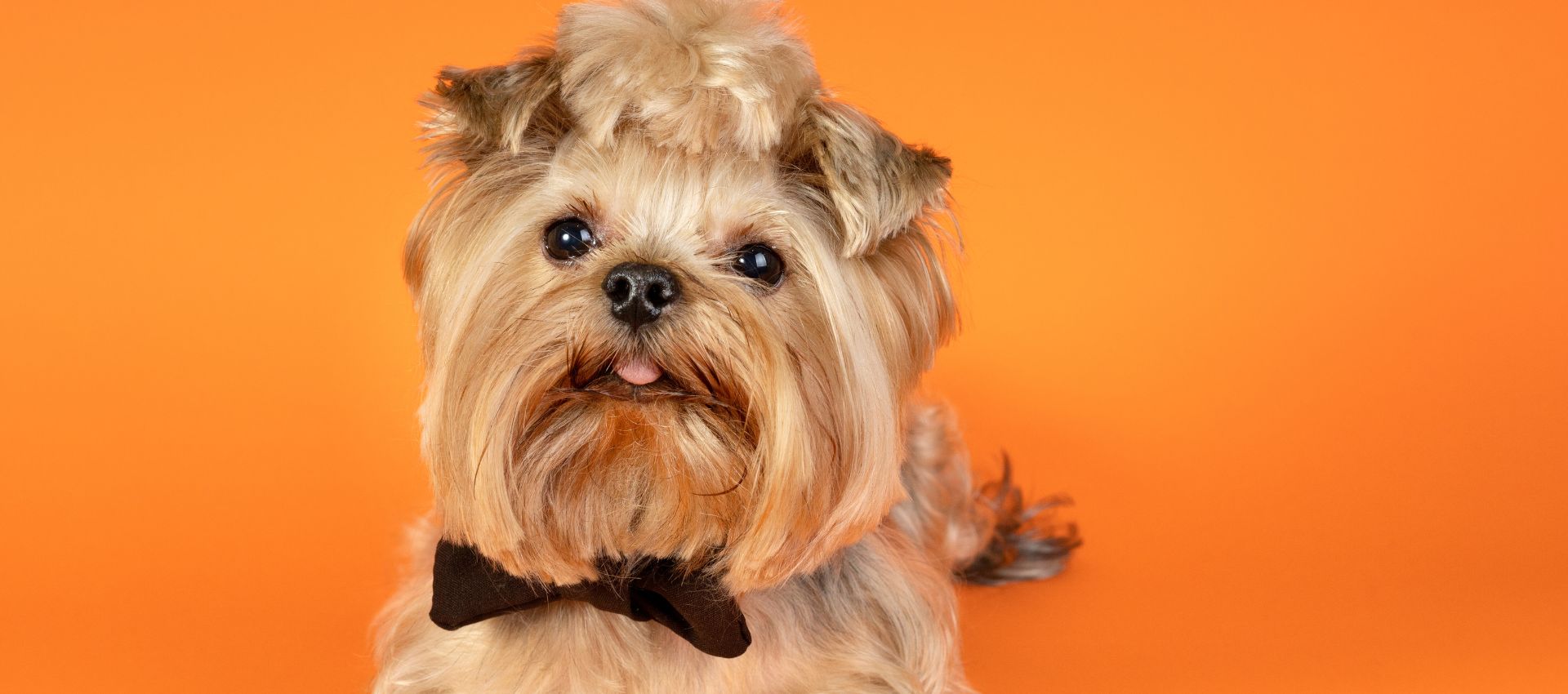
The Yorkshire Terrier (Yorkie)
The Yorkshire Terrier, popularly known as the Yorkie, is one of the most popular small breeds in the world. Its origins date back to England, where it was initially bred to control pests in factories and mines.
What makes the Yorkie special for many allergy sufferers is its coat. Unlike other breeds, it has hair similar to human hair that grows continuously and experiences minimal shedding.
Main characteristics of the Yorkshire Terrier:
- Small size, ideal for apartments and small spaces.
- Long, silky coat with low shedding.
- Intelligent and alert personality.
- High adaptability to different lifestyles.
- Strong bond with its owners.
One of the greatest benefits of this breed is that it sheds less hair into the environment, which can help reduce allergen exposure compared to other breeds.
However, its beautiful coat requires regular maintenance. Frequent brushing helps prevent tangles and contributes to removing accumulated dust and dandruff particles.
For those looking small hypoallergenic dogs, the Yorkie is usually one of the most recommended options.
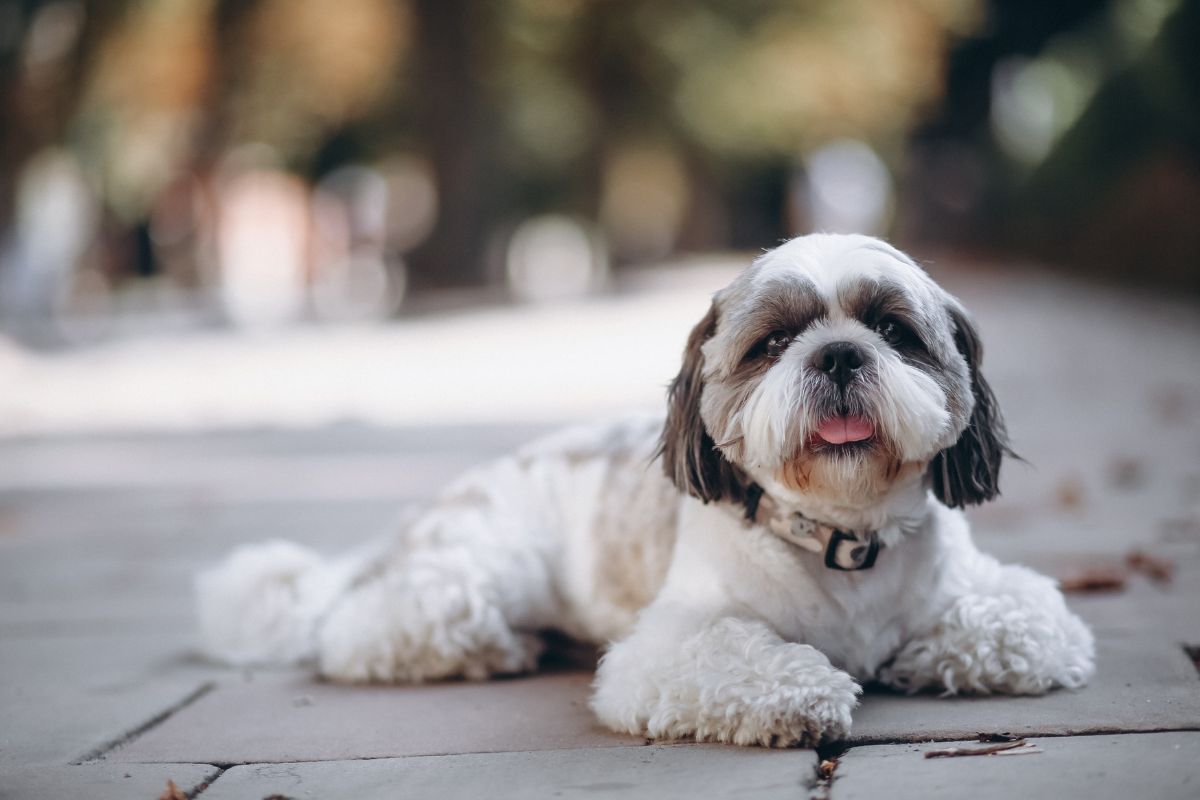
The Shih-Poo
The Shih-Poo is a hybrid dog resulting from a cross between a Shih Tzu and a Poodle. In recent years it has gained great popularity thanks to its friendly character, compact size, and potential to be an excellent family pet.
Its coat can vary depending on the genetics inherited from its parents, but it generally features reduced shedding compared to many other breeds.
Key features of the Shih-Poo:
- Small size and easy indoor adaptation.
- Sociable and affectionate personality.
- Good behavior with children and other animals.
- Moderate energy level.
- Less hair loss than many traditional breeds.
Many people consider the Shih-Poo one of the best pets for allergic people, especially when it inherits the Poodle's coat characteristics.
In addition to its adorable appearance, it usually stands out for being an affectionate companion that enjoys spending time with the family. This makes it an excellent choice for homes looking for a close pet that is easy to integrate into daily routine.
As with others hypoallergenic dog breeds, proper coat maintenance is essential to minimize allergen accumulation.
Basic care to keep the coat allergen-free
Choose one of hypoallergenic dogs most popular is just the first step. Daily care also plays an important role in maintaining a more comfortable environment for sensitive people.
Some recommendations include:
- Frequent brushing: Brushing helps remove loose hair, dust, and dander particles before they spread around the house.
- Periodic baths: Baths given at the frequency recommended by the veterinarian can help reduce the accumulation of allergens on the skin and coat.
- Cleaning of beds and accessories: Beds, blankets, and toys often accumulate microscopic particles that can worsen allergy symptoms.
- Regular home vacuuming: keeping carpets, furniture, and floors clean helps significantly reduce the presence of allergens.
- Use of air filters: Air purifiers with high-efficiency filters can help improve indoor air quality.
- Veterinary check-ups: A dog with healthy skin generally produces fewer problems related to excessive dandruff and other dermatological conditions.
Frequently asked questions about hypoallergenic dog breeds
1. Do hypoallergenic dogs not cause allergies?
No. No dog is completely allergen-free. Breeds considered hypoallergenic simply tend to produce less dander or shed less hair into the environment.
2. What breed is best for a person with mild allergies?
The Yorkshire Terrier and the Shih-Poo are often listed among the most recommended options due to their low shedding and ease of maintenance.
3. Do Yorkies shed?
Yes, but in very reduced quantities compared to many other breeds. Their hair grows continuously and is more similar to human hair.
4. Are Shih-Poos recommended for apartments?
Yes. Thanks to their compact size and adaptable personality, they usually do very well in apartments and small homes.
5. How can I reduce allergens at home if I have a dog?
Brushing the dog regularly, cleaning its bed, vacuuming frequently, and using air filters are some of the most effective measures.