

If you are the owner of a new small puppy, congratulations! Puppies are a source of joy in the home. However, like any newborn, it needs attention and care that you must follow to the letter.
Whether one of your pets gives birth or you have adopted or purchased a puppy, it is important that you learn to give them the care they need.
That is why today we give you puppy care tips little ones; we tell you what to do and what not to do according to your pet's age, size, and breed.
The best puppy care tips you should put into practice today
Having a puppy at home can be one of the happiest experiences for the whole family; however, it can also be the scariest for the puppy. Just imagine that they are separated from their mother at an early age and taken to a place they don't know and with people they haven't seen.
It is for things like this that we cannot take the care of our furry friends for granted; we want to make them feel comfortable, safe, and calm from day one. How to achieve this?
Below, we provide some tips that you can apply at different stages of the puppy's development.
Proper nutrition
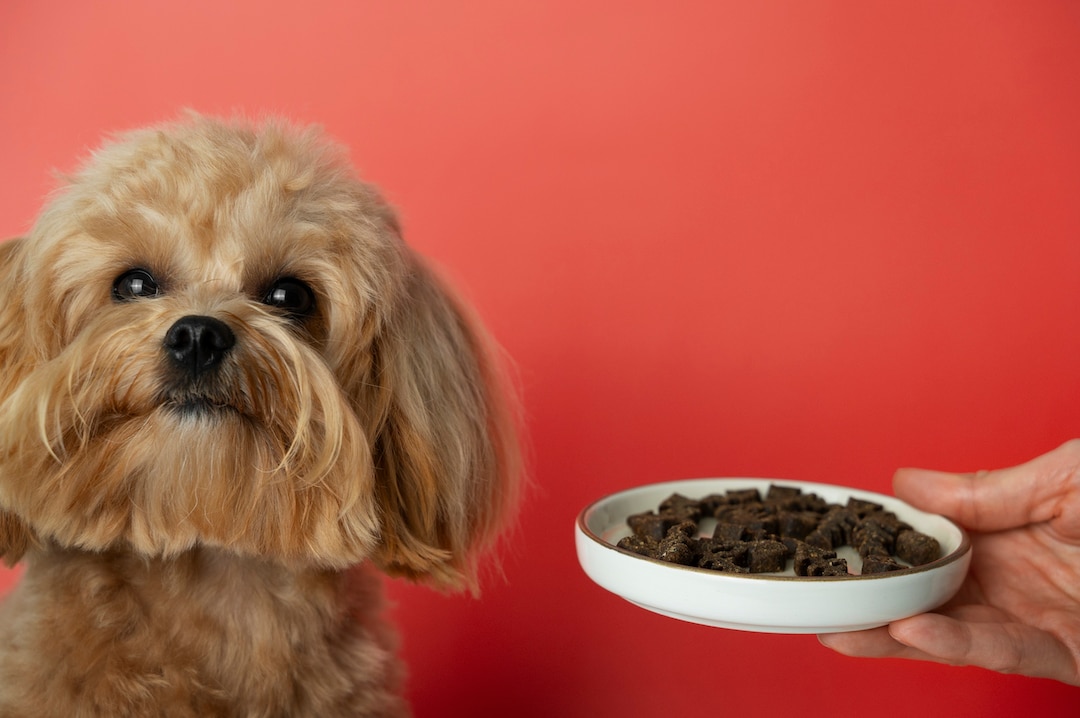
To ensure that our little puppies grow up healthy and strong, we must provide them with proper nutrition. These must have all the nutrients they need at each stage of their development.
Keep the following in mind:
- During the first 4 weeks of life The puppy must be fed exclusively on breast milk.
- Starting from the fourth week until 3 months of age It is advisable to start giving a mixture of milk and puppy kibble or food. This results in a porridge that is easy for puppies to digest and swallow.
- From three months onwards It is now appropriate to give the puppy dry food or kibble naturally. Do not buy products that have chemical additives or any type of colorant or preservative.
When choosing the right food for your pet, make sure to take its age and breed into account. Puppy food contains precisely the nutrients and vitamins they need for better development, and muscle and bone strength.
Space
Puppies can feel fear when they arrive at a new home, so it is important to make that experience as least traumatic as possible for them.
One way to do it is with a peaceful reception. Avoid crowding people in the house, or loud or overly continuous noises.
In turn, designate a small space where the puppy can settle and where its personal items that give it security are located; we are talking about its bed, toys, among other accessories.
You can choose a corner or a small room to place the puppy. This will give him confidence and make him understand that it is a safe space for him.
The toys
Some people think that buying toys for puppies at a small animal pet store is a waste of money, but nothing could be further from the truth.
Toys are ideal for building confidence, helping motor skills development of the dog and help him de-stress or stay active.
That said, you must buy appropriate toys according to the puppy's age.
- The smallest puppies must have squishies, such as stuffed animals or soft balls.
- When the puppy replaces its milk teeth, we can give it harder toys such as harder balls, ropes, bones, or leather ears. These toys help them strengthen their jaw muscles and teeth.
- When the dog is over 9 months old, we can use large toys or training, like chew toys, etc.
Health and hygiene
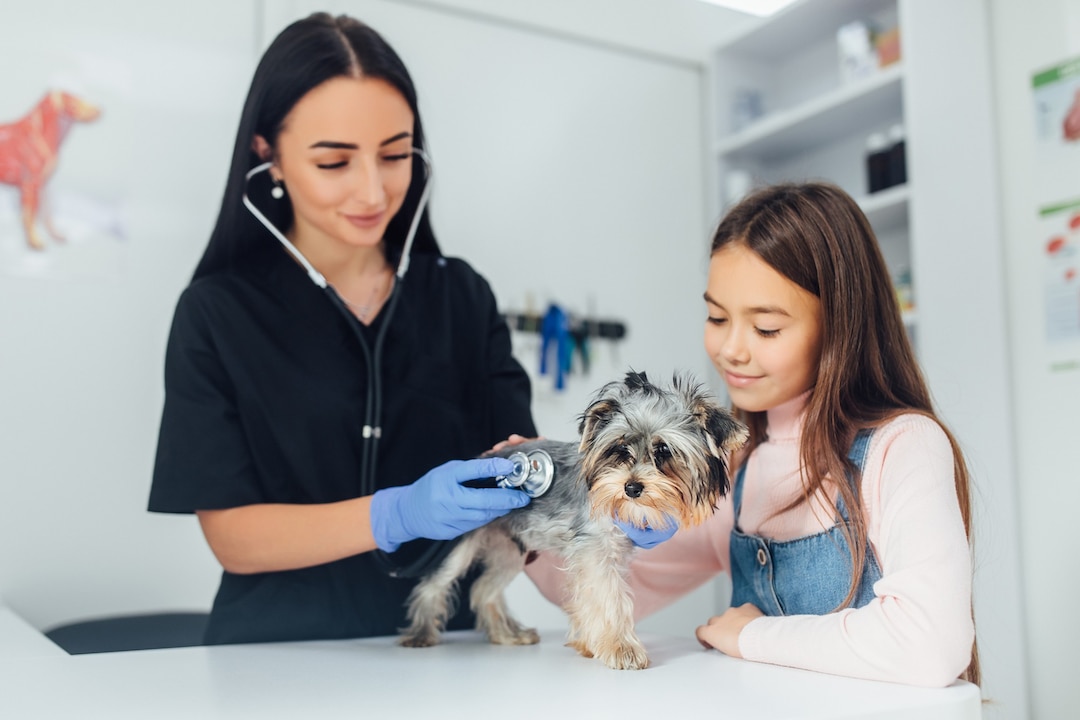
From an early age you should go to the veterinarian or a pet store with care advice to ensure that your puppy is healthy.
Monitor the puppy's health and administer medicines and vaccines required it will be essential for it to grow up healthy and strong. The veterinarian can explain the vaccination schedule the puppy should follow and help you administer them properly.
However, there are precautions you can take at home from an early age.
One of them has to do with hygiene. Smaller dogs tend to accumulate tartar more easily on their teeth, which can lead to more serious problems.
So one of the care tips for young puppies has to do with oral hygiene. You can buy dog toothbrushes and toothpastes to make sure they are free of limescale and other bacteria.
On the other hand, bathing your dog regularly is a great way to help them feel more comfortable and happy. The recommended age for a puppy's first bath is starting from 3 months of age; if you have to bathe him beforehand by force, do not use cold water, but you can use a damp absorbent sponge to remove surface dirt.
After the first bath, you can bathe your dog with a frequency of at most once a month. Try not to use harsh soaps or chemicals not intended for pets.
Training and habits
From an early age you must make sure that your dog learns to behave in the appropriate manner. For example, not to damage household objects, to do its business outside, or to maintain good exercise habits.
You can buy items like pee pads or urine spray to train the puppy on where and how to do its business. Buying toys will help prevent your puppy from chewing on your personal items, and will also help it burn more calories a day.
You must also pay attention to your furry friend's behavior, for example, their sleeping habits. Small puppies can sleep between 10 and 12 hours a day; if that sleep pattern is altered, the puppies could suffer from stress or despondency.
If you notice that the puppy does not want to eat, is lethargic, or shows atypical behavior, the most advisable thing to do is to take it to the veterinarian for a complete exam.
As you can see, taking care of small puppies is a big responsibility, but also a rewarding experience.
If you keep these puppy care tips in mind, you will be able to give them the best possible quality of life.