
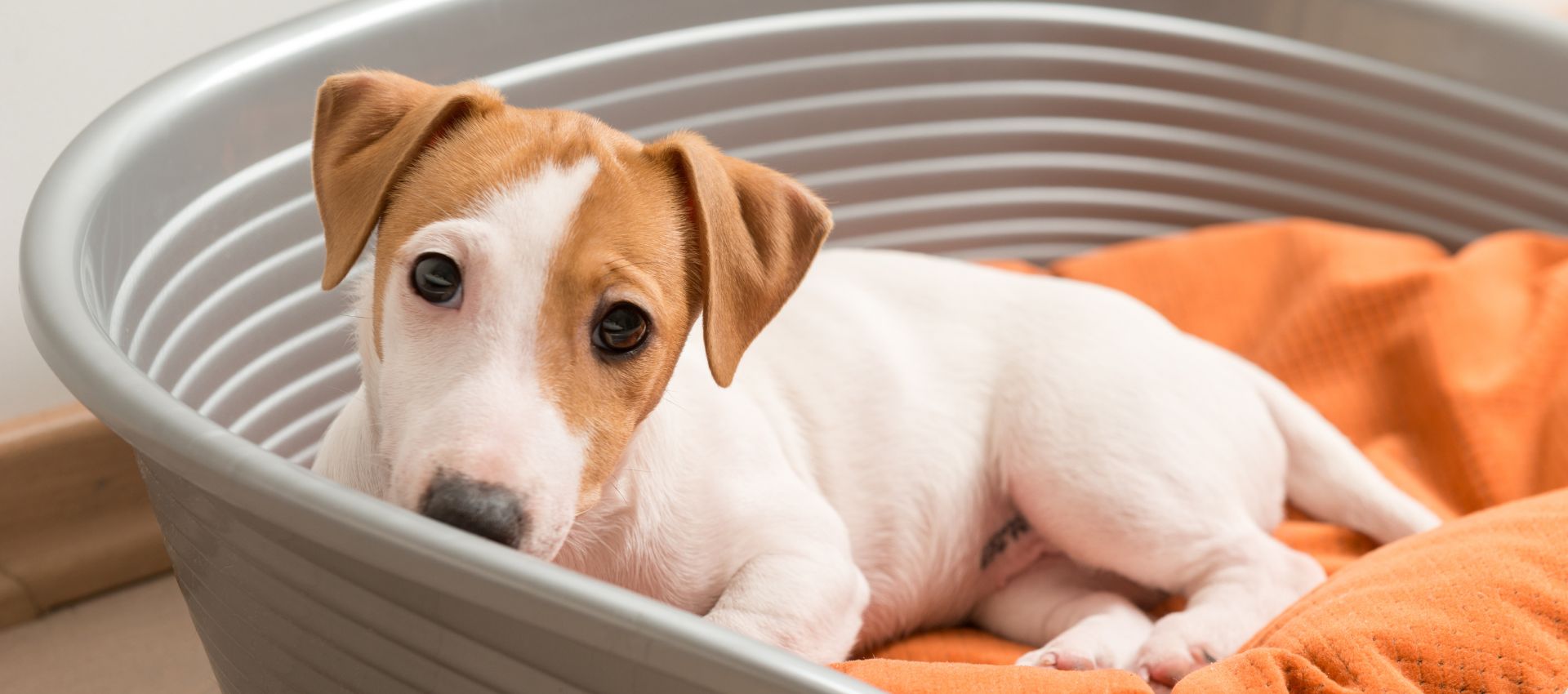
The arrival of a puppy at home is one of those moments that is remembered forever. Between games, photographs, and the excitement of meeting a new family member, it is easy to overlook a fundamental aspect: their health. If you are thinking «my puppy just arrived home, what happens next?», the answer is simple: schedule their first veterinary visit.
Although your puppy may seem healthy and active, an early checkup helps confirm that everything is going well and helps prevent issues that might go unnoticed during its first days at home.
The first visit to the vet It should ideally be done within the first 48 to 72 hours after the puppy arrives home. This initial checkup allows us to assess your pet's overall health, check its weight, detect any potential health issues early on, and establish a vaccination and deworming schedule appropriate for its age and needs.
The first days at home: establishing the routine
When a puppy arrives in a completely new environment, it needs time to adapt. Everything is different for it: the smells, the sounds, the people, and even the schedules.
During this stage, it is important to create a stable routine that provides them with security. Set schedules for feeding, bathroom breaks, playtime, and rest time. Puppies learn best when there is consistency in their daily routine.
In addition to helping him adapt, these first few days will allow you to observe his behavior. Pay attention to aspects such as his appetite, energy level, stool quality, and sleeping habits. Any significant changes can be valuable information to share with the veterinarian during the first consultation.
A stable routine from day one promotes the physical and emotional well-being of the puppy, in addition to facilitating their learning and socialization process.
It is also advisable to keep any documentation provided by the breeder or establishment where you acquired your pet, including vaccination, feeding, or previous treatment records.
Schedule for the First Veterinary Appointment
The first visit is usually much more than just a routine checkup. It’s a comprehensive evaluation that will serve as a starting point for your puppy’s care over the next few months.
1. General Checkup and Weight Monitoring
The first step is usually a complete physical exam.
The veterinarian will examine the eyes, ears, nose, mouth, skin, and coat to make sure everything is in good condition. He or she will also assess the heart rate, breathing, and overall developmental status.
During this checkup, it is standard practice to weigh the puppy and record the weight as a baseline for future visits. This information is important because it allows us to monitor the puppy’s growth and detect potential nutritional or health problems.
Early Weight Management helps confirm that the puppy is growing properly and getting the nutrition it needs.
In addition, the professional will be able to identify early signs of parasites, digestive problems, skin conditions, or congenital abnormalities that require follow-up.
2. Planning the Vaccination Schedule
One of the most important aspects of a puppy's first visit to the vet is planning its vaccination schedule.
Depending on the puppy's age and the vaccinations it has previously received, the veterinarian will develop a personalized vaccination schedule to protect it against potentially serious diseases.
Among the most common vaccines are those that help prevent diseases such as parvovirus, canine distemper, and infectious canine hepatitis.
It is important to understand that a puppy’s immunization is not complete with just one vaccination. A series of vaccinations spread out over the first few months of life is generally required.
Follow the vaccination schedule correctly It's one of the best ways to protect your puppy's health during its growth phase.
The veterinarian can also advise you on when it will be safe to start activities such as frequent walks or interacting with other dogs.
3. Deworming Protocols
Deworming puppies is another essential part of the initial visit.
Many puppies can harbor internal parasites even when they appear completely healthy. For this reason, veterinarians often recommend preventive protocols tailored to each animal's age and condition.
During the visit, we will assess whether it is necessary to start or continue treatment for intestinal parasites, and in some cases, we will also discuss prevention of fleas, ticks, and other external parasites.
Early prevention helps avoid health complications and contributes to the well-being of the whole family.
Following your veterinarian's recommendations will significantly reduce the risks associated with parasitic infestations during the first few months of life.
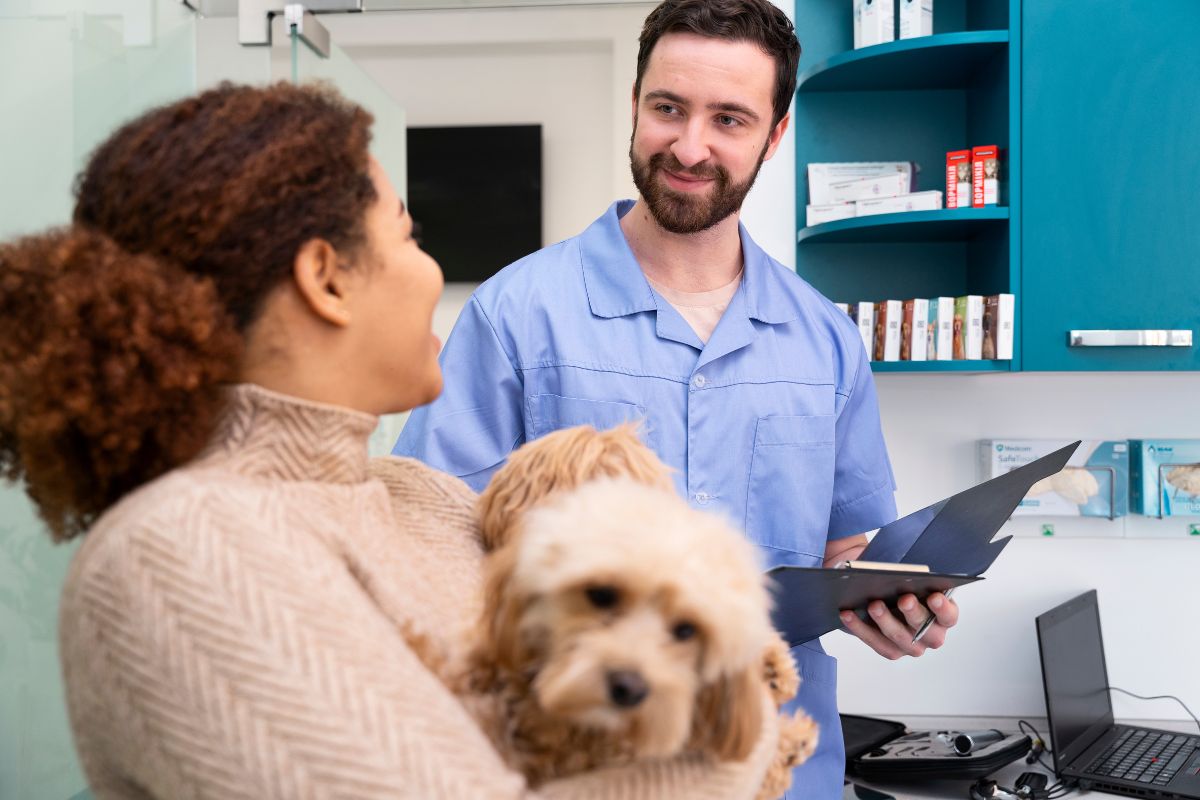
Key Questions to Ask Your Veterinarian
The first visit is an excellent opportunity to ask questions and receive professional guidance. Don't be afraid to ask; in fact, the more informed you are, the better you'll be able to care for your pet.
These are some questions that are worth preparing:
- Is my puppy at a healthy weight for his age?
- What kind of food do you recommend, and in what quantity?
- When should you get your next vaccinations?
- How often should I deworm my pet?
- What warning signs require immediate attention?
- When can he start socializing with other dogs?
- What exercise routine is right for your age?
- Do you need any supplements or special care?
- How often should I schedule veterinary checkups during the first year?
Noting down the answers will allow you to follow the recommendations correctly and provide more comprehensive care for your puppy.
Warning signs during the first weeks
Although most puppies adapt to their new home without problems, there are certain symptoms that should not be ignored.
Contact a veterinarian if you observe:
- Notable loss of appetite.
- Frequent vomiting.
- Persistent diarrhea.
- Lethargy or lack of energy.
- Constant cough.
- Shortness of breath.
- Abundant eye or nasal secretions.
- Excessive itching or skin problems.
Detect these signs early can make a big difference in puppy health and recovery.
Remember that young animals still have developing immune systems, so acting quickly at any sign of symptoms is essential.