
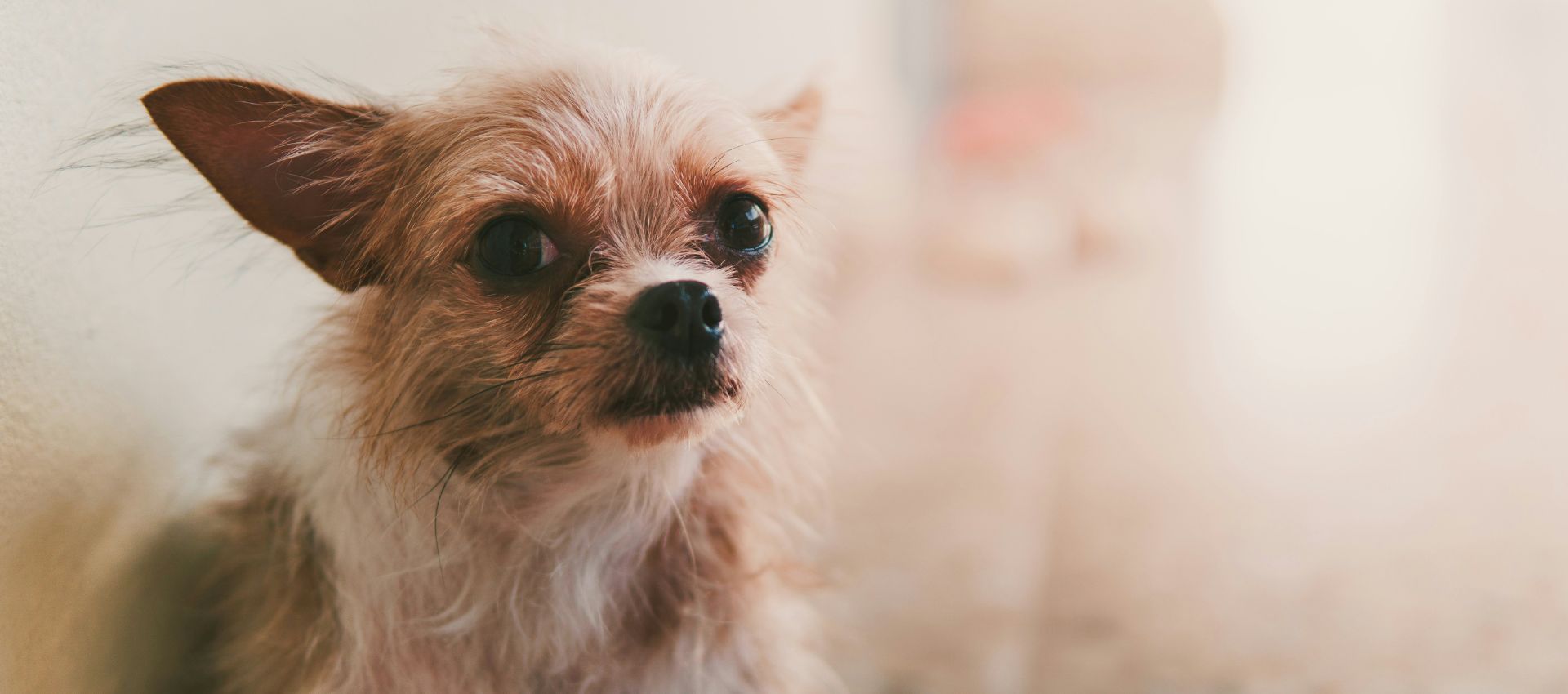
The first months of life are a fundamental stage for the emotional development of any dog. However, when it comes to small breed puppies, It is common for owners to notice a tendency to follow them all over the house, seek constant contact, or become restless when left alone.
Although these behaviors may seem cute at first, they can also become a problem if not managed properly.
Separation anxiety is common in miniature breeds due to their strong family attachment. It is effectively prevented by establishing predictable routines, limiting dramatic goodbyes, and encouraging independent play from the first month.
Learn how to prevent separation anxiety in puppies from an early age it helps build more confident, balanced dogs capable of coping with moments of solitude without stress.
Why are small dogs more prone to hyperattachment?
Many small breed puppies they develop very close bonds with their families. This happens due to a combination of genetic, temperamental, and environmental factors.
On the one hand, numerous miniature breeds were historically selected to perform companionship roles. As a result, they tend to enjoy human contact more and constantly seek interaction with their owners.
On the other hand, owners frequently overprotect small dogs. By carrying them in their arms frequently, responding immediately to every demand for attention, or preventing them from exploring on their own, excessive emotional dependence can be fostered.
The problem appears when the puppy does not learn to be calm without the constant presence of its caregivers. In these cases, signs of separation anxiety in dogs, such as excessive barking, destruction of objects, restlessness, or attempts to escape when left alone.
The good news is that this behavior can be prevented by proper dog training since the first months of life.
4 Effective training strategies
The best way to approach this problem is prevention. Teaching independence from puppyhood is usually much simpler than correcting already established anxiety in adulthood.
1. Creation of a safe space (use of the playpen)
The first step to learning how to prevent separation anxiety in puppies It consists of creating an environment where the dog feels comfortable even when it is alone.
A puppy playpen or a designated area inside the house can become a safe haven. This space should include:
- A comfortable bed.
- Fresh water.
- Appropriate toys.
- Familiar elements with their scent.
The important thing is that the puppy associates this place with positive experiences. You can start by leaving him there for short periods while you do activities nearby and gradually increase the time.
2. Output desensitization
Many dogs learn to associate certain cues with their owners' departure. Picking up keys, putting on shoes, or grabbing a jacket can trigger stress even before leaving the house.
To avoid this, it is advisable to practice short outings progressively.
Some useful steps include:
- Run exit simulations without leaving home.
- Go out for a minute or two at the beginning.
- Gradually increase the duration of the absences.
- Maintain a calm attitude when leaving and returning.
Overly emotional farewells often reinforce the perception that being left alone is something negative. That is why specialists in canine behavior They recommend acting naturally.
The owners' calm usually transmits security to the puppy.
3. Mental exercise before leaving him alone
When a puppy has pent-up energy or is bored, it is more likely to experience frustration during periods of being alone.
For this reason, the mental stimulation for dogs plays a fundamental role in the prevention of behavioral problems.
Before leaving the house, spend a few minutes on activities that challenge your mind:
- Prize search games.
- Basic obedience exercises.
- Sniffing mats.
- Problem-solving games.
These activities help reduce stress and promote a more relaxed emotional state.
Furthermore, various animal welfare studies indicate that environmental enrichment can significantly decrease behaviors associated with boredom and anxiety.
4. Fostering independence from an early age
One of the most frequent mistakes is paying attention to the puppy every time it asks for it.
Although it is important to meet his needs, he must also learn that he can entertain himself.
To promote independence:
- Allow moments of independent play.
- Reinforce calm behavior with treats or praise.
- Avoid constantly carrying him in your arms.
- Do not respond immediately to all demands for attention.
This approach fosters the development of trust and reduces the risk of hyperattachment in dogs.
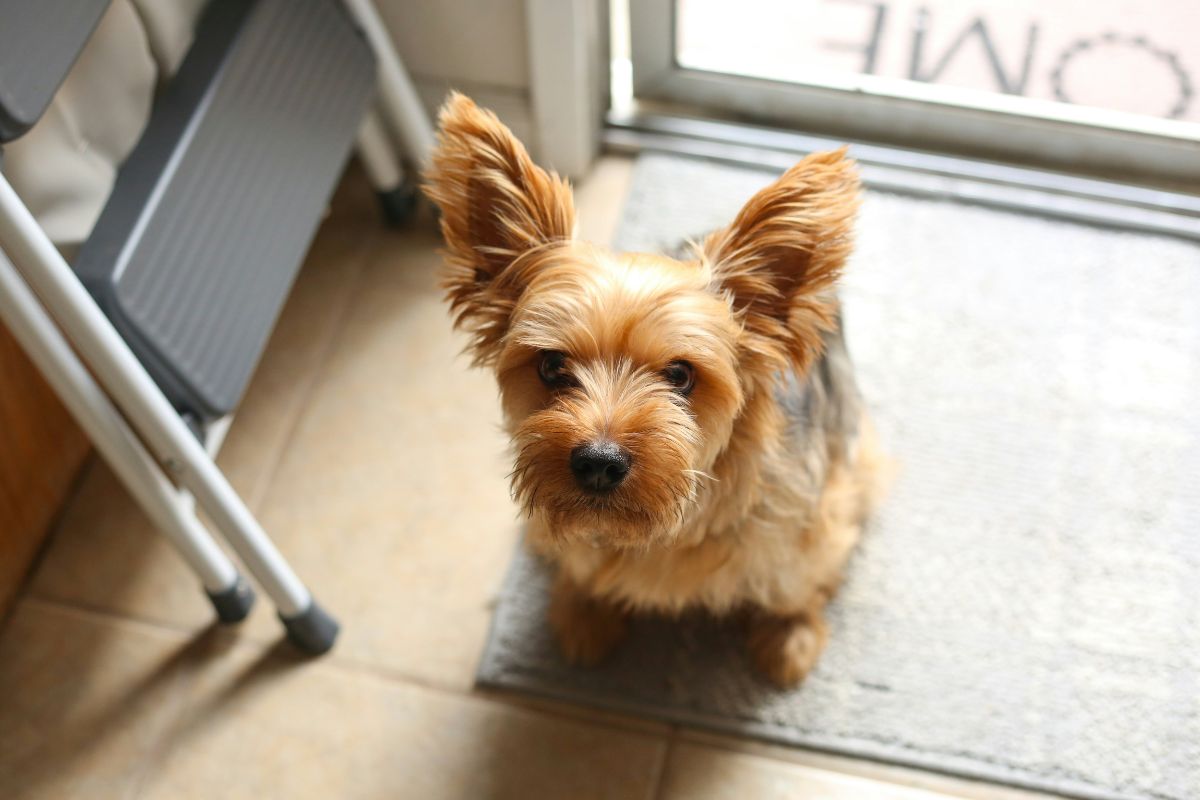
Recommended interactive toys for mental stimulation
The interactive dog toys they are excellent allies for keeping the puppy's mind occupied while it stays alone.
Here are some recommended options:
Refillable Kong
It can be filled with treats or wet food to prolong playtime.
Main benefit: It promotes concentration and reduces boredom.
Sniffing mats
They allow you to hide small rewards for the dog to find using its sense of smell.
Main benefit: they stimulate natural foraging instincts.
Dog puzzle
They force the puppy to solve small challenges to get treats.
Main benefit: they promote learning and problem-solving.
Prize dispensers
They release food gradually as the dog interacts with them.
Main benefit: they keep the puppy busy for longer.
Interactive balls
Some versions randomly emit sounds or release rewards.
Main benefit: they increase physical and mental activity.
Incorporating these resources into a daily routine can contribute significantly to canine emotional wellbeing and help prevent anxiety-related behaviors.
How to prevent separation anxiety in puppies?
The most effective way to prevent this problem consists of establishing predictable routines, encouraging independence from an early age, practicing gradual absences, and providing sufficient physical and mental stimulation every day.
When these strategies are applied consistently, the puppy learns that staying alone is part of a normal and safe experience.
If you are looking for a small breed puppy, remember that a good education begins in the first months of life. Choosing a healthy, well-socialized puppy raised in a responsible environment is the first step to enjoying a happy, stable, and long-lasting relationship for many years.